

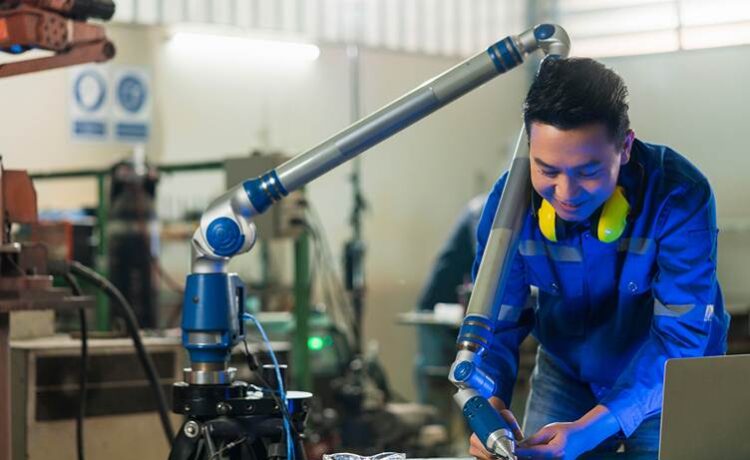

A bachelor’s degree in mechanical engineering is one of the versatile qualifications for students seeking global career options. As industries continue to operate on a global scale, the demand for engineers with problem-solving skills, technical knowledge, and cross-cultural adaptability remains high. Mechanical engineering provides the academic and practical foundation needed to work across borders in fields such as energy, manufacturing, transportation, and robotics.
Builds Skills in Universal Engineering Principles
Mechanical engineering is built on physics, mathematics, and materials science which are disciplines that apply in engineering projects. Graduates develop a thorough understanding of systems design, thermodynamics, mechanics, and automation, all of which are core to international infrastructure and industrial processes. This makes them attractive candidates for multinational firms seeking professionals with adaptable technical capabilities. The universal nature of these subjects allows engineers to transition smoothly into different regional contexts with minimal retraining.
Opens Doors in Diverse Industries Worldwide
Holding a bachelor’s degree in mechanical engineering positions graduates to work in a wide range of industries, including automotive, aerospace, oil and gas, medical technology, and renewable energy. These sectors have global reach and consistently require engineers to collaborate across countries. Whether contributing to sustainable energy initiatives in Europe, developing transport systems in Asia, or supporting manufacturing optimization in North America, mechanical engineers are equipped to respond to international challenges in design and operations.
Encourages Cross-Border Collaboration and Mobility
Engineering work today frequently involves multinational teams and global supply chains. Mechanical engineers regularly coordinate across regions, dealing with suppliers, production teams, and clients located in different countries. The undergraduate experience exposes students to collaborative design processes and systems thinking skills that align with international project management. Many graduates use their qualifications to pursue opportunities in foreign companies or to relocate through international job placements and secondments.
Supports Professional Accreditation Across Borders
Many engineering institutions structure their curricula to align with global accreditation frameworks, such as the Washington Accord. Graduates from recognised mechanical engineering programmes can have their qualifications recognised in other signatory countries, simplifying the process of securing employment abroad. This mutual recognition is crucial for engineers who want to take their careers across regions and work in regulated environments where credential verification is required.
Provides a Pathway to Graduate Programmes and Research Roles
A bachelor’s degree also serves as a gateway to postgraduate study and research opportunities overseas. Many universities worldwide offer scholarships and assistantships to engineering graduates who show strong academic and research potential. By pursuing specialised training in areas such as robotics, computational mechanics, or energy systems, mechanical engineers can access roles in global innovation hubs, research centres, and academic institutions, further enhancing their professional scope.
Cultivates a Problem-Solving Mindset Suited to Global Needs
Mechanical engineering programmes develop critical thinking and structured problem-solving skills, which are highly valued in international settings. Whether working on climate-responsive systems, optimising production lines, or designing for sustainability, mechanical engineers contribute practical solutions to complex problems. Their ability to apply structured reasoning and quantitative analysis makes them suitable for tackling engineering challenges that vary from region to region.
Learn More: How a Diploma in Engineering Is Your Ticket to a Tech Career
Encourages Lifelong Learning and Industry Adaptability
The dynamic nature of engineering requires professionals to update their skills regularly. A strong foundation from a bachelor’s degree in mechanical engineering helps graduates pursue certifications, online training, or advanced software tools used in different global contexts. This culture of continued learning keeps engineers competitive in international markets and ready to move across sectors or regions as industry needs evolve.
A bachelor’s degree in mechanical engineering equips students with the technical proficiency, global adaptability, and collaborative mindset necessary to pursue careers worldwide. From industry-leading firms to cutting-edge research institutions, mechanical engineers are in demand for their capacity to work across borders and contribute to global development goals.
For more information about psychology degrees in Singapore, contact MDIS today.